By Posture Reminder AI
Published by Posture Reminder AI
Buying a Used Office Chair: What to Check Before You Pay
Secondhand office chairs are one of the most discussed topics among people setting up a home desk. In r/OfficeChairs, the same posts appear every week: someone found an Aeron on Marketplace and only has a seller's video to judge it by, someone is walking into a refurbished furniture store where prices and quality are all over the place , and someone else is deciding between refurbished Leaps as a shorter user . Then there are the follow-ups: a secondhand chair whose armrest broke two weeks later , or a refurbished chair with a backrest that feels too floppy .
Quick summary
Summarize this blog with AI
Secondhand office chairs are one of the most discussed topics among people setting up a home desk. In r/OfficeChairs, the same posts appear every week: someone found an Aeron on Marketplace and only has a seller's video to judge it by, someone is walking into a refurbished furniture store where prices and quality are all over the place, and someone else is deciding between refurbished Leaps as a shorter user. Then there are the follow-ups: a secondhand chair whose armrest broke two weeks later, or a refurbished chair with a backrest that feels too floppy.
A used commercial chair can be excellent value, but only if it fits you and every adjustment still works. This checklist covers what to measure before you go, what to test in person, and what to do once the chair is home.
Decide on fit before you decide on a brand
A famous model name tells you little about whether the chair will suit your body. The Canadian Centre for Occupational Health and Safety (CCOHS) puts it plainly: a chair becomes ergonomic only when it suits the user's body size, workstation and tasks. Chairs sold as ergonomic are designed for a range of people, with no guarantee that they suit any one person.
Before you start browsing, write down a few numbers:
- The seat height you need. Sit with your feet flat and your thighs roughly level, and measure from the floor to the back of your knee. CCOHS says you should be able to sit with your feet on the floor or on a footrest without pressure under your thighs. If your desk is fixed and high, you may need the seat higher and a footrest.
- Your seat depth. Measure from the back of your buttocks to the back of your knee while seated. You want a small gap between the seat front and your knees with your back against the backrest.
- Your hip width. Measure it while seated, and compare it with the seat width between any armrests.
Then look up the specification sheet for each model you are considering. Many commercial chairs were sold in several sizes or with optional features such as adjustable lumbar support, seat depth adjustment and fully adjustable arms. A used chair may be a smaller size or a basic configuration, so check which version the seller actually has. If you are near either end of the height range, our guides for shorter people and taller people explain which dimensions matter most.
The in-person inspection checklist
Bring your measurements and a tape measure. Work through every adjustment, because a chair that looks clean can still have a worn mechanism.
| Part | How to check it | Warning signs |
|---|---|---|
| Height (gas) cylinder | Raise and lower the seat through its full range, then sit still at your working height for a minute or two | The seat creeps down under your weight, will not rise, or bounces unevenly |
| Recline and tilt | Lean back through the full range, try every recline lock and turn the tension control both ways | Clunks, sticking, locks that slip, or tension that does not change |
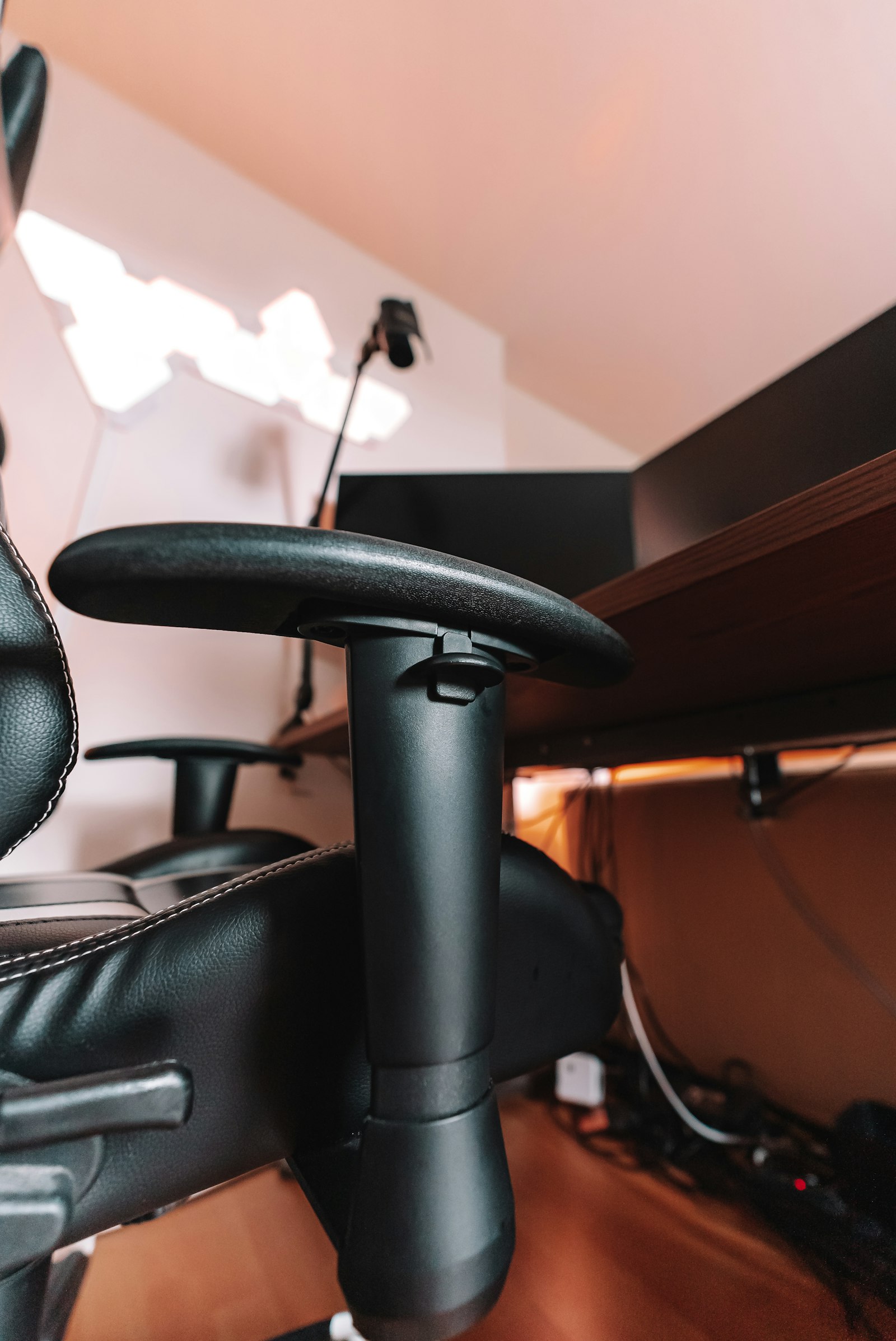
| Armrests | Adjust height, width and pivot, then push down and sideways on each pad | Wobble, cracked pads, or adjustments that do not lock |
| Seat | Sit for several minutes and press around the edges and front | Sagging or flattened foam, torn mesh, or mesh pulling away from the frame |
| Backrest and lumbar | Move the lumbar support through its range while sitting against it | Missing or broken lumbar parts, or cracks around the back frame and joints |
| Base and casters | Tip the chair over and look at the base, then roll it across the floor | Cracks in the base, missing or seized wheels, or a lean when empty |
| Labels | Look under the seat for a manufacturer's label | No label at all makes parts, warranty and authenticity harder to check |
Some designs feel loose by intention. A few chairs use a free or weight-sensitive recline with little resistance, so read the model's description before you decide a mechanism is broken. When in doubt, compare it with the same model in a store or ask the seller what has been repaired or replaced.
Also search the model name on the US Consumer Product Safety Commission's recalls site, or your local equivalent. Office chair recalls are usually about parts that can break and cause falls, and a recalled chair may have a free repair available.
Do a real test sit, not a quick bounce
A ten-second sit tells you whether the seat is soft. It does not tell you whether you can work in the chair. Before you hand over any money:
- Set the seat height, seat depth, armrests and lumbar support to your measurements.
- Sit the way you work: hands in front of you as if typing, feet supported, back against the backrest.
- Stay for 10 to 15 minutes if the seller allows it. Pressure under the thighs, a seat edge against your knees or armrests that push your shoulders up often show up only after a few minutes.
- Lean back as you would on a call, then come forward again. The backrest should follow you without shoving you forward.
If you can only see a video, ask for specific clips: the seat staying at one height with someone sitting in it for a minute, the full recline with the tension control turned, each armrest adjustment and a close view of the seat edges and base. A general walk-around video rarely shows the faults that matter.
Refurbished dealer or private sale?
A refurbisher usually cleans the chair, replaces worn parts and may offer its own warranty. A private sale is often cheaper but comes with no promises. Manufacturer warranties generally cover the first buyer. For example, Herman Miller's refurbished warranty applies only to the original end-user purchaser and is non-transferable, and its service FAQ says products from unauthorized resellers would not be covered by its warranty.
So when comparing prices, budget for parts you may need to replace yourself, such as a cylinder, casters, arm pads or seat foam. Ask the seller exactly which parts are original. If a chair has no label and an unfamiliar design, it may be a lookalike; even experienced buyers sometimes cannot identify a Marketplace find. That does not make it a bad chair, but it changes what you should pay for it.
Set it up properly once it is home
A good chair that is badly adjusted can hurt as much as a cheap one. Once you get it home:
- Clean it with products the manufacturer recommends for that material.
- Set seat height first, then seat depth, lumbar support, recline tension and armrests, in that order.
- Bring the desk, keyboard and screen into line with the chair, not the other way around.
Our ergonomic chair checklist walks through each adjustment. If you keep sliding forward, see our guide to seat pan angle and depth, and for a backrest that feels too stiff or too loose, read our guide to recline and tilt tension.
When a better chair is not the whole answer
Many people buy a chair hoping it will fix back or neck pain. A chair that fits can make sitting more comfortable, but sitting still for hours in any chair is hard on the body. Regular changes of position and short breaks matter as much as the chair; our microbreak guide explains how to fit them into a working day.
If pain continues after you have adjusted a well-fitting chair, or it spreads into an arm or leg, comes with numbness or weakness, or wakes you at night, see a doctor or physiotherapist rather than buying another chair. Our budget setup guide is a better place to start if you are spending on comfort for the first time, because a footrest, a laptop stand or a moved monitor often costs less than the chair and helps just as much.