By Posture Reminder AI
Published by Posture Reminder AI
Posture Exercises Make Pain Worse? How to Scale Down Safely
Posture advice often sounds simple: stretch the chest, strengthen the back, do chin tucks, sit taller, move more. For some people, that helps. For others, the first routine makes symptoms worse. The neck tightens after chin tucks. The low back flares after bridges. A shoulder drill creates tingling. Stretching feels good during the video and worse that night.
Quick summary
Summarize this blog with AI
Posture advice often sounds simple: stretch the chest, strengthen the back, do chin tucks, sit taller, move more. For some people, that helps. For others, the first routine makes symptoms worse. The neck tightens after chin tucks. The low back flares after bridges. A shoulder drill creates tingling. Stretching feels good during the video and worse that night.
That does not always mean posture work is useless. It often means the dose, range, exercise choice, or starting position is wrong for your current tolerance. A routine that is reasonable for one desk worker can be too aggressive for another, especially when symptoms have been building for months or years.
The answer is not to force through pain. The answer is to scale down until the body can repeat the work calmly, then progress one variable at a time.
Fast Answer
If posture exercises make pain worse, stop the specific drill that flares symptoms, reduce the routine to one or two movements, cut the range and reps, use more supported positions, and apply a 24-hour symptom rule. Mild effort can be acceptable. Sharp pain, spreading symptoms, numbness, weakness, dizziness, or next-day worsening means the current version is too much or needs clinical review.
Good posture training should leave you with more options. If a routine makes you more guarded, more symptomatic, or more afraid to move, it needs to be changed.
Stop Versus Modify
Use this simple distinction. Stop and seek guidance when symptoms are sharp, spreading, neurological, severe, or worsening. Modify when the sensation is mild, local, predictable, and settles quickly.
| Signal | What it usually means | What to do |
|---|---|---|
| Mild muscle effort that settles quickly | Probably tolerable load | Continue, but avoid adding volume too quickly. |
| Symptoms are worse later that day or next morning | Dose was too high | Reduce reps, range, frequency, or difficulty. |
| Sharp pain during the drill | Exercise is not currently tolerated | Stop that drill and choose an easier version. |
| Numbness, tingling, weakness, radiating pain | Possible nerve involvement or another issue | Stop and get medical or clinical guidance. |
| Dizziness, severe headache, chest pain, trauma history | Potential red flag | Seek medical care promptly. |
This is not about being fearful. It is about matching the input to what your body can recover from.
Red Flags That Need Real Care
Do not keep troubleshooting posture exercises online if symptoms suggest something more serious. Mayo Clinic neck-pain guidance advises medical evaluation for neck pain that radiates, worsens despite self-care, persists for weeks, or comes with headache, weakness, numbness, or tingling. AAOS neck-pain guidance similarly flags severe, persistent, radiating, numbness-related, tingling-related, or weakness-related neck pain as a reason to seek care.
For back or whole-body symptoms, be cautious with progressive weakness, loss of coordination, bowel or bladder changes, saddle numbness, fever, unexplained weight loss, trauma, or night pain that keeps worsening. Those are not posture-coaching problems.
If symptoms are ordinary soreness and clearly linked to overdoing a routine, scaling down is reasonable. If symptoms are neurological, severe, or unexplained, get help.
Why Posture Routines Flare People
An exercise can be useful in general and wrong for you today. Chin tucks are a common example. A gentle chin nod may help neck control. A hard retraction held repeatedly can irritate the front of the neck, jaw, or base of the skull. Rows can help the upper back, but if the weight is too heavy or the shoulders shrug, they can feed the exact tension you are trying to reduce.
Posture problems are rarely only strength problems. They include tolerance, sensitivity, workstation demand, sleep, stress, breathing, vision, and how much time you spend in one position. If your desk setup recreates the same symptoms for eight hours, a 20-minute corrective routine has to fight the rest of the day.
A flare is information. It usually means the routine is too much, too soon, too often, or not specific enough.
The Four Ways to Scale Down
Make the position easier. If standing flares symptoms, sit. If sitting flares symptoms, try lying down, wall-supported, or chair-supported work. Support reduces the number of body parts competing for control.
Make the range smaller. A tiny chin nod, half wall slide, or partial hip hinge may be enough. You do not need the textbook end position on day one.
Make the dose smaller. One set of five calm reps beats three sets of fifteen irritated reps. Early posture work should often feel almost too easy.
Make recovery longer. If daily strengthening flares you, use every other day for strength and keep daily work to easy movement breaks.
Change one lever at a time. If you reduce range, reps, position difficulty, and frequency all at once, you may not know which change helped. But if symptoms are highly irritable, make the routine obviously easier first, then build back carefully.
Use the 24-Hour Symptom Rule
A good self-guided rule is simple: symptoms should stay tolerable during the session, settle soon afterward, and not be meaningfully worse the next day. If next morning is worse, the previous session was too much.
Do not respond to a flare by adding more stretching. Return to the last calm version. That may mean fewer reps, smaller range, more support, or a different movement. Progression only counts if you can recover from it.
Track one or two signals instead of everything. For example: neck tension at the end of work and morning stiffness the next day. If both trend down, the plan is likely helping. If they trend up, adjust the dose.
A Five-Minute Starter Routine
Start smaller than you think. Sit or stand away from the screen. Take three slow breaths into the back and sides of the ribcage. Do five gentle chin nods, as if saying a small yes, without jamming the head backward. Do five shoulder blade glides, letting the shoulders move forward and back without pinching hard. Do five supported hip hinges with hands on a desk or chair. Finish with one minute of easy walking.
If that is calm for three sessions, add one new variable: one more set, one new movement, slightly more range, or a harder position. If it flares symptoms, remove the newest piece and make the remaining work easier.
For neck-sensitive people, avoid long holds early. For low-back-sensitive people, avoid aggressive extension or deep stretching early. For nerve-sensitive people, avoid pushing into tingling. The first win is repeatability.
What to Tell a Clinician if You Need Help
If you do seek care, bring useful details instead of a vague statement that posture exercises hurt. Note which exercise triggered symptoms, where the symptoms traveled, whether numbness or weakness appeared, how long the flare lasted, what calmed it down, and whether the next morning was worse. Mention your desk setup too: monitor position, keyboard and mouse height, chair support, work blocks, and break schedule. That information helps a clinician separate a dosage problem from a movement, nerve, joint, or medical issue.
Match the Fix to the Flare
| If this flares | Try this easier version | Avoid for now |
|---|---|---|
| Chin tucks irritate the neck or jaw | Small chin nods lying down or against a wall | Hard retractions and long holds |
| Rows feed upper-trap tension | Light band rows with elbows low and shoulders relaxed | Heavy rows, shrugging, or high-volume sets |
| Bridges irritate the low back | Glute sets, short-range bridges, or supported hip hinges | High bridges with rib flare or back arching |
| Chest stretches cause tingling | Shorter doorway stretch, lower arm angle, or breathing reset | Deep aggressive stretching into symptoms |
| Wall slides pinch the shoulders | Table slides or lower-range wall slides | Forcing overhead range |
The easier version is not a regression. It is the version your body can learn from.
Do Not Ignore the Workstation
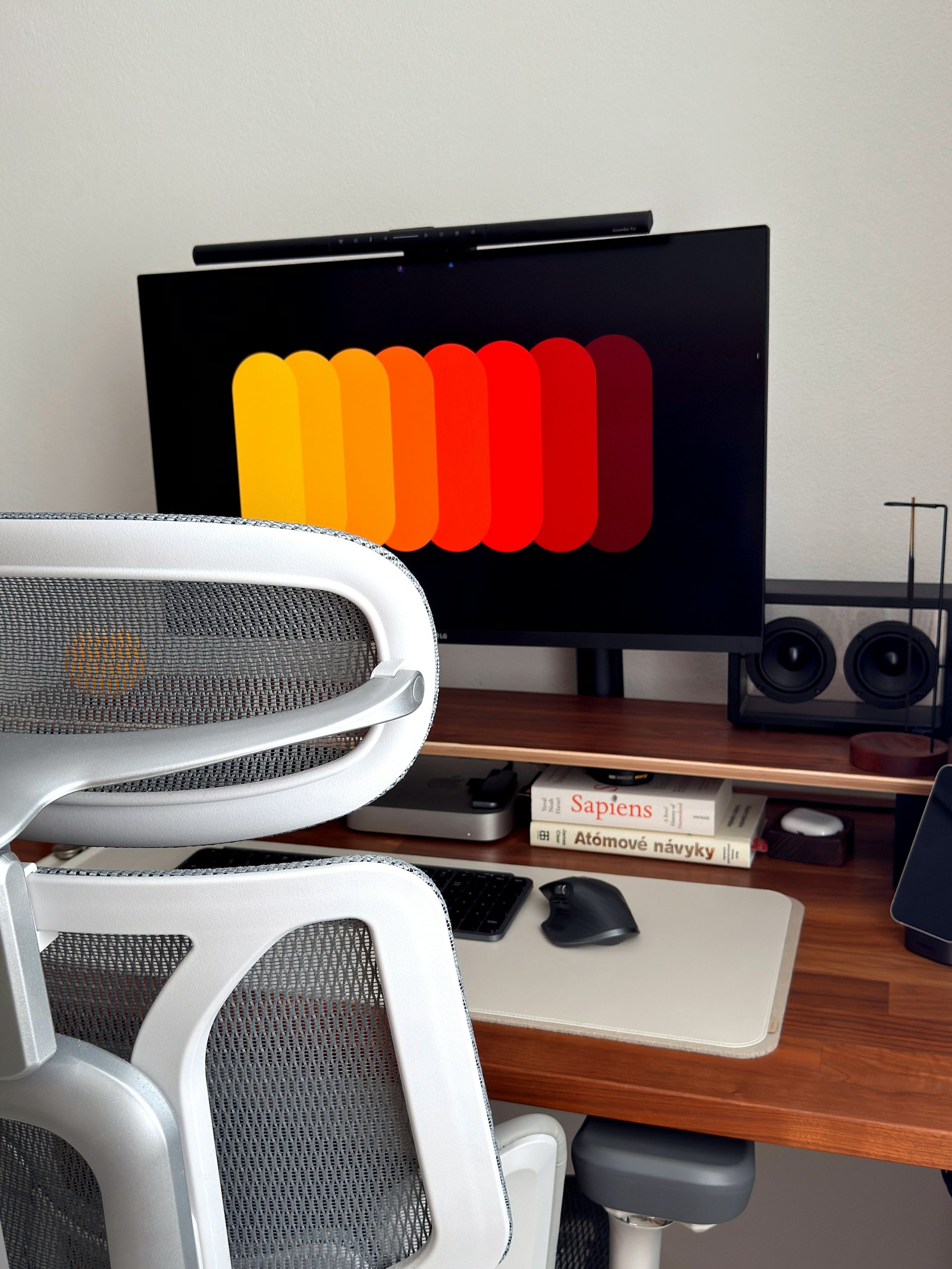
Exercises cannot carry the whole plan if the workstation keeps recreating the same load. If the desk is too high, your shoulders may shrug through every workday. If the monitor is too low or too far away, the head will drift forward. If the chair pushes you into an overarched or collapsed position, the low back may never get a calm window.
Make the easiest environmental fixes first: screen closer, text larger, keyboard and mouse near relaxed elbow height, feet supported, forearms relaxed, and breaks before symptoms spike. Then the exercise plan has less cleanup to do.
Posture improvement works best when the day itself becomes less provocative.
Related Reading
If trying to sit upright makes your neck worse, read Why Sitting Up Straight Gives You Neck Pain. If the problem is lower back pain from sitting straighter, use Why Your Lower Back Hurts More When You Try to Sit Straight. For a broader strategy that avoids rigid posture chasing, see Stop Chasing Perfect Posture.
When to Progress
Progress when the current version feels boring, symptoms are stable, and the next day is not worse. Add one variable at a time: more range, more reps, slightly more load, or a harder position. Do not add all four in the same week.
A reasonable progression might move from tiny chin nods to longer neck endurance, from wall slides to light rows, or from supported hip hinges to glute bridges. But the order depends on the person. The best exercise is the one that improves function without triggering a cycle of flare and rest.
Expect uneven progress. Desk pain often improves in layers: fewer spikes, faster recovery, better tolerance, then visible posture changes. The mirror may lag behind how the body feels.
Frequently Asked Questions
Should posture exercises hurt?
They should not create sharp pain, spreading symptoms, numbness, weakness, dizziness, or a next-day flare. Mild effort can happen, but symptoms should settle.
What if physical therapy exercises made me worse?
Tell the clinician exactly which exercises flared symptoms, how long the flare lasted, and what made it better. The plan may need a smaller dose, different position, or additional screening.
Can I fix posture with desk changes only?
Sometimes desk changes reduce symptoms dramatically. Long-term improvement usually works better when setup, movement breaks, strength, mobility, and workload pacing support each other.
How long should I wait before increasing reps?
Wait until the current version is calm for several sessions and the next day is not worse. Then increase one variable slightly.
Sources
- Mayo Clinic: Neck Pain - When to See a Doctor
- AAOS: Neck Pain
- Mayo Clinic: Office Ergonomics
- HSE: Working Safely With Display Screen Equipment
Medical Disclaimer
This article is for educational purposes only and is not medical advice. It is not intended to diagnose, treat, cure, or prevent any condition, and it does not replace care from a physician, physical therapist, or other qualified clinician. If you have severe pain, numbness, weakness, dizziness, worsening symptoms, or questions about your specific situation, seek professional medical evaluation.