
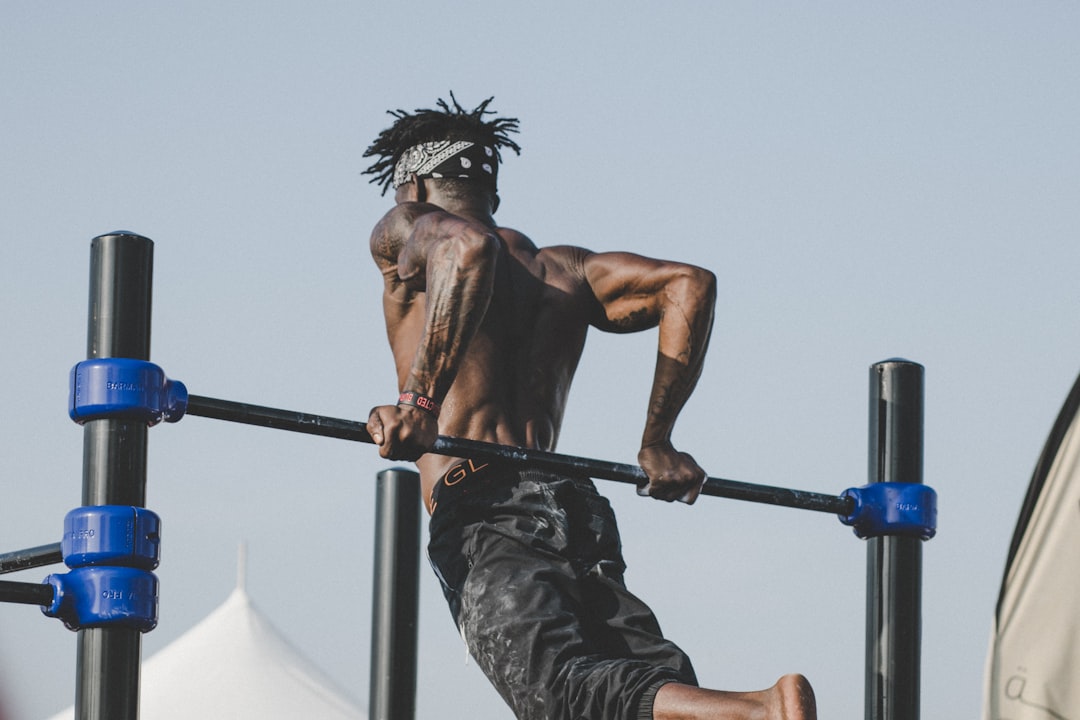
By Leon Wei
Why Proper Posture Matters During Exercise and Physical Activity
Updated for March 18, 2026. Proper posture during exercise is not about moving like a robot. It is about giving your body enough alignment, control, and breathing room that the right tissues do the work and the wrong tissues do not get overloaded.
Quick summary
Summarize this blog with AI
Updated for March 18, 2026. Proper posture during exercise is not about moving like a robot. It is about giving your body enough alignment, control, and breathing room that the right tissues do the work and the wrong tissues do not get overloaded.
In practice, that means posture in exercise is really about load management. Good movement quality usually feels controlled, repeatable, and sustainable.
Quick Takeaways
- Exercise posture is about useful alignment, not rigid perfection.
- Breathing, ribcage position, and head position often matter more than dramatic coaching cues.
- Poor exercise posture can shift load into the neck, low back, or shoulders.
- Most people improve faster by simplifying movement and controlling range, not by pushing harder.
What Good Posture in Exercise Actually Means
Good posture during activity usually means the head is not jutting far forward, the ribcage is not flaring wildly, the shoulders are not living in a shrug, and the low back is not doing all the work. The movement should look and feel organized instead of tense and desperate.
Where People Go Wrong
- Over-arching the low back in overhead or standing work
- Letting the chin poke forward during pulling or pressing
- Using shrugging as a substitute for shoulder control
- Confusing "more upright" with "better braced"
How to Fix Exercise Posture Without Freezing Up
- Use lighter loads while learning the pattern.
- Shorten the range if you lose position at the edges.
- Keep breathing instead of turning every rep into a max brace.
- Film a side view if you are not sure what is happening.
Why This Matters Outside the Gym
Exercise should make desk life easier, not add more neck, back, and shoulder strain. If training always leaves you tighter and more irritated, it is worth reviewing both the movement pattern and the recovery setup.
Common Questions
Does posture matter for walking and running too?
Yes. Head position, ribcage control, and relaxed shoulders can affect efficiency and comfort there as well.
Should I keep my core braced all the time?
No. Control matters, but so does breathing and adapting to the movement.
What is the simplest improvement?
Reduce the load, slow down, and make the movement look calmer and more repeatable.
Related Reading on Posture Reminder AI
- How to Walk Correctly
- Posture Improvement Exercises and Techniques
- Lumbar Lordosis Exercises for Better Spinal Control
- Stop Chasing Perfect Posture

 Leon
Leon