
By Leon Wei
2 Beginner Stretches to Improve Posture
Updated for March 18, 2026. If you want a beginner routine that actually supports better posture, keep it simple. Two stretches are enough to create a useful reset if they target the tight areas desk work usually creates: the front of the chest and the front of the hips.
Quick summary
Summarize this blog with AI
Updated for March 18, 2026. If you want a beginner routine that actually supports better posture, keep it simple. Two stretches are enough to create a useful reset if they target the tight areas desk work usually creates: the front of the chest and the front of the hips.
These two stretches will not magically fix posture on their own, but they make it easier to stop living in a rounded-shoulder, folded-hip position all day. Pair them with Best Sitting Posture According to Ergonomics Research, How to Set Up a Standing Desk Home Office That Feels Good All Day, and Stop Chasing Perfect Posture so your daily setup stops re-creating the same stiffness.
Quick Takeaways
- If you are new to stretching, consistency matters more than intensity.
- The best beginner posture stretches usually target tight chest muscles and tight hip flexors.
- You should feel a stretch, not sharp pain, tingling, or pinching.
- These drills work better when you also improve your workstation and take movement breaks.
Stretch 1: Doorway Chest Stretch
Desk work often leaves the chest and front shoulders feeling shortened. A doorway chest stretch helps counter that by opening the front of the body and giving the upper back a better chance to do its job.
- How to do it: Place one forearm on a door frame, step through gently, and feel a stretch across the chest and front shoulder.
- What to avoid: Do not crank the shoulder into pain or force the ribcage forward.
- Why it helps: It can reduce the "pulled forward" feeling that comes from long keyboard sessions.
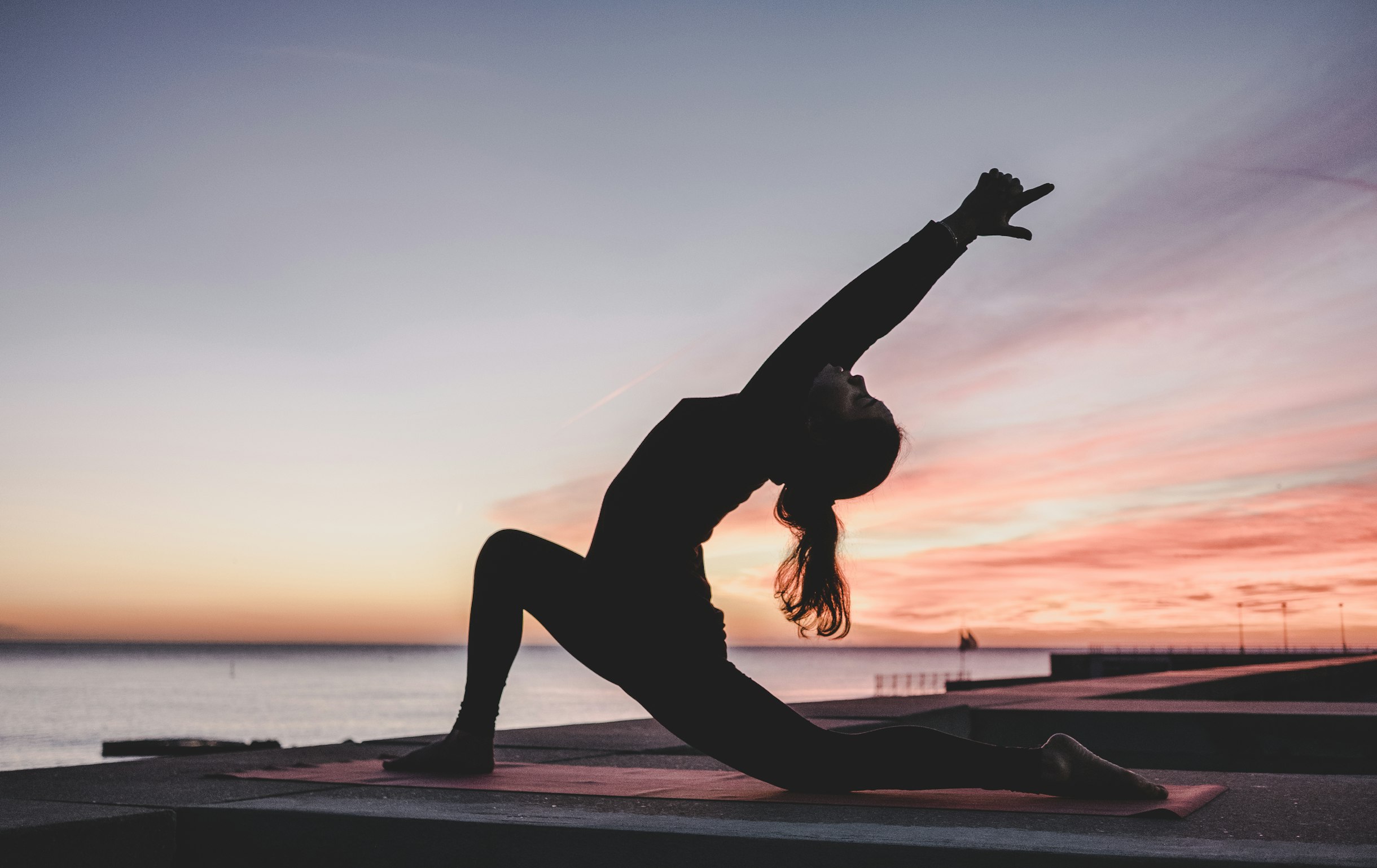
Stretch 2: Half-Kneeling Hip Flexor Stretch
Long sitting can leave the front of the hips feeling stiff and compressed. A gentle hip flexor stretch helps reverse some of that sitting pattern and can make standing, walking, and upright posture feel easier.
- How to do it: Start in a half-kneeling position, tuck the pelvis slightly, and shift forward until you feel the stretch in the front of the hip of the kneeling leg.
- What to avoid: Do not over-arch the lower back to create a fake stretch.
- Why it helps: It addresses one of the most common desk-work restrictions in a beginner-friendly way.
How to Use These Two Stretches
- Use them once or twice a day rather than turning them into a huge mobility project.
- Do them after long sitting blocks, not just at the end of the day.
- Start with a small dose you can repeat regularly.
- Keep breathing normally instead of bracing through the stretch.
Mistakes Beginners Make
- Stretching too aggressively on day one.
- Holding the breath during the stretch.
- Using stretching to avoid fixing the desk setup.
- Trying to out-stretch eight hours of stillness without adding movement.
Common Questions
How often should I do posture stretches?
Often enough that they become part of your day, not just an occasional rescue effort. Small daily doses beat rare marathon sessions.
Should stretching hurt?
No. Mild tension is fine. Sharp, radiating, or lingering pain is a sign to stop.
Are two stretches really enough?
For a beginner starting point, yes. The point is to build a routine you will actually do.
Related Reading on Posture Reminder AI
- Best Sitting Posture According to Ergonomics Research
- 7 Essential Stretches for Programmers to Reduce Stiffness
- How to Set Up a Standing Desk Home Office That Feels Good All Day
- Microbreaks for Desk Workers


 Leon
Leon